Heating & AC FAQs | Phoenix, AZ
Frequently Asked Questions – HVAC in Phoenix, Arizona
We are Phoenix Heating and Air Pros, and we have been answering questions from Phoenix homeowners about their heating and cooling systems for years. This FAQ page exists because the questions we hear in person are the same ones people are searching for answers to online — and we want every Phoenix homeowner to have access to accurate, practical information about their HVAC system whether or not they have called us yet.
Phoenix is a unique market for heating and cooling. The extreme summer heat puts cooling systems under stress that systems in most other parts of the country never face. The mild but real winters create a specific failure pattern for furnaces that sit idle for months at a time. The older homes in neighborhoods like Arcadia, Encanto, and Central Phoenix often have duct configurations and equipment types that newer homeowners find unfamiliar. And the city’s rapid growth means a large number of Phoenix residents are living in their first desert home and encountering HVAC challenges they have never dealt with before.
We cover every service we provide in the questions below — AC repair, AC installation, furnace repair, furnace installation, boiler repair and installation, ductless mini split systems, and emergency HVAC response. We have tried to make each answer useful on its own rather than just a prompt to call us, because Phoenix homeowners deserve real information. Where a question touches on something that genuinely requires a professional visit to answer correctly for your specific home, we say that directly.
Use the section navigation to find the topic most relevant to your situation. And when you are ready to talk to someone in person about your Phoenix home’s heating or cooling system, contact us today — we are the local team that knows this city and these systems.
General Heating and Air Conditioning Questions in Phoenix
How long should an HVAC system last in Phoenix, Arizona?
Air conditioning systems in Phoenix typically last 12 to 17 years with proper maintenance. The extreme summer heat accelerates wear on capacitors, contactors, and fan motors at a rate that shortens lifespans compared to cooler climates. Gas furnaces last longer — typically 18 to 25 years in Phoenix — because they accumulate far fewer annual run hours here than in northern markets. Ductless mini split systems generally last 15 to 20 years. Consistent maintenance and prompt repair when issues arise are the primary factors in reaching the upper end of those ranges.
How often should I have my HVAC system serviced in Phoenix?
We recommend servicing your AC system before the cooling season — ideally in February or March before the intense heat arrives — and your heating system before the heating season in October or November. Given how hard Phoenix cooling systems work from April through October, a pre-season inspection catches worn capacitors, fouled coils, and refrigerant issues before they become mid-summer emergencies. A furnace that has been idle all summer benefits from a check before it is asked to heat the home for the first time in the fall.
What is the most common HVAC failure in Phoenix during the summer?
Capacitor failure is the single most common HVAC repair in Phoenix during peak summer heat. Capacitors — which start the compressor and fan motors — are thermal components that fail at dramatically higher rates in Phoenix than in cooler markets. The combination of extreme ambient temperatures and long daily run times pushes them to their limits, and they fail suddenly. Contactor failure is a close second. Both are repairs we address on emergency calls throughout the Phoenix metro area regularly each summer.
Do Phoenix homes need both heating and cooling systems?
Yes. While Phoenix is famous for its heat, winters here are real — overnight temperatures in the 30s are common from December through February, and some nights in January reach the upper 20s. A gas furnace, heat pump, or other heating system is not optional for comfortable, safe year-round living in Phoenix. Many older Phoenix homes that were built with minimal heating have been retrofitted with modern systems over the years, and we handle those installations throughout the metro area.
Should I repair or replace my Phoenix HVAC system?
The general guidance: a system under 10 years old facing a single component failure is almost always worth repairing. A system over 15 years old facing a major failure — compressor, heat exchanger, or multiple simultaneous failures — is often better replaced. Between those ages, the specific repair, the system’s maintenance history, and current performance all factor in. We give you an honest evaluation of both options on every service call because that decision deserves accurate information, not a push toward the more expensive outcome.
Air Conditioning Repair and Installation FAQs in Phoenix
Why is my Phoenix AC running but not cooling my home?
The most common causes are a low refrigerant charge due to a slow leak, a dirty or fouled condenser coil reducing the system’s ability to reject heat outside, a failing compressor that can no longer maintain adequate pressure, or an oversized system that short-cycles rather than running long enough to properly dehumidify and cool. In Phoenix homes with significant sun exposure — particularly those with west-facing windows or minimal shade — the system may also simply be undersized for the actual heat load. An accurate diagnostic identifies which of these applies to your specific situation.
How long does a new AC installation take in Phoenix?
Most standard residential AC installations in Phoenix are completed in a single day. A straightforward split-system replacement — same location, compatible duct system, standard electrical — typically takes six to eight hours from start to commissioning. Multi-zone ductless installations or projects requiring electrical panel upgrades or duct modifications take longer. We give you a realistic timeline before the installation begins so you can plan accordingly.
What happens if my AC freezes up in Phoenix?
A frozen evaporator coil in Phoenix is almost always caused by restricted airflow — a severely clogged filter or blocked return air — or a low refrigerant charge. When the evaporator gets too cold, moisture from the air freezes on the coil and blocks airflow entirely. If you notice ice on the indoor unit or refrigerant lines, turn the system off and let it thaw before running it again. Running a frozen system can damage the compressor. Contact us after the coil has thawed to diagnose the underlying cause. Reach out to us for assistance and we will identify whether the issue is airflow-related or refrigerant-related.
How do I know when my Phoenix AC system needs to be replaced?
Signs that replacement is likely the right call include a system that is over 15 years old and requiring a major repair, repeated failures in the same season, a compressor failure on an older unit, refrigerant that is no longer available for service because the system uses R-22, or a system that simply cannot keep your Phoenix home comfortable on the hottest days despite proper maintenance. We walk you through this evaluation on every service call and give you a straightforward recommendation.
Can I install a window AC unit in my Phoenix home to get through the summer?
Window units can provide temporary relief during an emergency but are not a practical long-term solution for Phoenix homes. They consume significantly more electricity per BTU of cooling than central or ductless systems, they are only effective in the immediate space, and they require significant window modifications that not all Phoenix homes accommodate. If your central system has failed and replacement is needed, a ductless mini split often provides a faster permanent solution than a window unit for many Phoenix home types.
Furnace and Heating Repair and Installation FAQs in Phoenix
Why does my Phoenix furnace stop working right when I need it?
This is one of the most common patterns in Phoenix HVAC service. A furnace that sits idle from April through October has months for components to degrade without anyone noticing. Hot surface ignitors become brittle. Flame sensors oxidize. Inducer motor bearings develop wear. The first cold night the thermostat calls for heat, one of those components fails under load. A pre-season inspection in October catches these issues before the heating season begins — and we strongly recommend it for Phoenix homeowners with gas furnaces.
Is a cracked heat exchanger in my furnace dangerous?
Yes, and it is one of the safety concerns we check on every furnace service call. A cracked heat exchanger can allow combustion gases — including carbon monoxide — to enter the air stream that circulates through your home. Carbon monoxide is colorless and odorless, which means you cannot detect it without a CO detector. A cracked exchanger is a condition that requires the furnace to be taken out of service until it is repaired or replaced. We do not skip this inspection, and we explain what we find clearly when we complete it.
Should I repair or replace my older Phoenix furnace?
A furnace under 15 years old facing a component failure like an ignitor, flame sensor, or pressure switch is almost always worth repairing. A system over 20 years old, particularly one that has been repaired several times in recent seasons or has a compromised heat exchanger, is often better replaced. Modern two-stage and variable-speed furnaces also provide noticeably better comfort and quieter operation than older single-stage units, which is worth considering when replacement is already on the table. We give you the honest picture on both options.
How long do furnaces typically last in Phoenix?
Gas furnaces in Phoenix generally last 18 to 25 years with proper maintenance. Because Phoenix heating systems accumulate far fewer annual run hours than those in colder climates, they often reach the upper end of that range when consistently serviced. The key factors are regular maintenance, prompt attention to early warning signs, and whether the heat exchanger has been checked periodically throughout the system’s life.
Do I need annual furnace maintenance in Phoenix even though winters are short?
Yes. Even though Phoenix furnaces run fewer hours per year than those in colder markets, they still benefit significantly from annual maintenance — particularly because of the long idle period between heating seasons. A pre-season check before November confirms the ignition system, flame sensor, heat exchanger, and safety controls are all in good condition before the first cold night arrives. In Phoenix, that inspection has a direct relationship with whether your furnace works reliably on that first genuinely cold evening.
Boiler Repair and Installation FAQs in Phoenix
Are boilers common in Phoenix homes?
Boilers are less common in Phoenix than in northern markets, but they are present in the city — particularly in certain older custom homes, some historic properties in Central Phoenix and Scottsdale, and buildings with radiant floor heating systems. If your Phoenix property has a boiler-based heating system, it deserves professional service from someone who actually understands hydronic heating. We work on these systems throughout the Phoenix metro area and bring genuine expertise to every boiler service call.
My boiler keeps losing pressure — what does that mean?
Repeated pressure loss in a boiler system indicates that water is leaving the system somewhere. The source could be a water leak at a fitting, valve, or the boiler body; a waterlogged expansion tank that has lost its pre-charge and is no longer functioning correctly; or a pressure relief valve that is opening and discharging when system pressure spikes. Each of these requires a different repair, and correct diagnosis identifies which cause applies. Reach out to us for assistance and we will evaluate the complete system.
Why are some of my radiators cold while others are hot?
Uneven heating in a hydronic system is most commonly caused by air trapped in the system — particularly in radiators that are at higher points in the piping loop — or by a zone valve that has failed in the closed position for that specific zone. It can also be caused by an imbalanced system where flow rates to different zones are not properly matched. Bleeding trapped air from the radiators often resolves the issue for air-related problems; failed zone valves require replacement. We diagnose which cause applies during the service visit.
What is the kettling sound in my boiler?
Kettling is a rumbling or banging sound during boiler operation caused by scale buildup on the heat exchanger surfaces. Minerals in the water deposit on the hot surfaces over time, and water trapped beneath or within those deposits boils and creates the noise. It indicates reduced heat transfer efficiency and, if unaddressed, continued scale accumulation that will eventually damage the heat exchanger. It is worth addressing rather than tolerating.
Ductless AC and Mini-Split Repair and Installation FAQs in Phoenix
Are ductless mini splits a good fit for Phoenix homes?
For many Phoenix homes, yes — and the fit is particularly strong in specific situations. Older Phoenix homes without existing ductwork, garages and casitas that need independent climate control, room additions that the central system cannot adequately reach, and spaces that are consistently too hot or too cold despite a functioning central system are all excellent ductless candidates. We install ductless systems throughout Phoenix and see firsthand how well they solve problems that traditional central air cannot.
How long do ductless mini split systems last in Phoenix?
A properly installed and maintained ductless system typically lasts 15 to 20 years in Phoenix. The long cooling season puts more hours on these systems than in cooler climates, which is why correct sizing, proper installation, and regular filter maintenance matter particularly in this market. Systems that are pushed beyond their rated capacity or that accumulate dirty filters over months of heavy use tend to develop compressor issues earlier than well-maintained units.
My ductless system is displaying an error code — what should I do?
Note the error code displayed on the indoor unit or remote control, then contact us. Error codes indicate specific fault conditions — refrigerant pressure issues, communication faults, temperature sensor errors, or drainage problems — and they allow us to arrive for the service call with more specific preparation. Do not continue trying to operate a system that is locked out on a fault; running a system in a fault state can cause additional component damage. Contact us today and we will decode the error and address the underlying cause.
Why is water dripping from my ductless indoor unit?
A ductless indoor head unit dripping water almost always indicates a blocked condensate drain line. The drain pan fills with condensate that cannot drain normally and overflows. In Phoenix, where ductless systems run heavily during the summer, condensate lines can accumulate algae and debris that cause blockages. We clear the drain line and inspect the drain system configuration to prevent recurrence. This is a repair that should not be delayed because water damage from a continuously overflowing drain pan accumulates quickly.
Can one ductless outdoor unit cool multiple rooms in my Phoenix home?
Yes. Multi-zone ductless systems use a single outdoor compressor unit to serve multiple indoor heads — typically between two and five zones for residential applications, with larger systems supporting more. This is an efficient solution for Phoenix homes that need coverage in multiple rooms or areas without ductwork. We size and install multi-zone ductless systems throughout Phoenix and configure them correctly to ensure balanced performance across all zones.
Emergency HVAC Repair FAQs in Phoenix
What should I do first when my AC fails during a Phoenix heat wave?
Contact us immediately. While you wait, close all blinds and curtains to block direct sun, move to the lowest level of the home since heat rises, use battery-powered fans to improve air movement, stay hydrated, and make sure everyone in the home — especially elderly family members and children — is monitored for heat-related symptoms. If anyone shows signs of heat exhaustion or heat stroke, that is a medical emergency — call 911 immediately. For the HVAC system, do not attempt to reset the system repeatedly if it keeps shutting off; contact us and describe what the system is doing.
Is there anything I can check myself before calling for emergency HVAC service?
Yes — a few basic checks are worth doing before calling. Check your thermostat: confirm it is set to the correct mode, the temperature setpoint is appropriate, and the batteries are not dead. Check your electrical panel for a tripped breaker on the HVAC circuit. Check your air filter — a completely clogged filter can cause the system to shut down on a safety limit. If none of those resolve the issue, contact us. If you smell gas at any point: go outside immediately and call 911 – this is a serious emergency that needs urgent attention from the gas company.
How do I know if my HVAC failure is a true emergency in Phoenix?
In Phoenix, a complete AC failure during extreme summer heat — particularly when outdoor temperatures are above 100 degrees and will remain so for hours — is a true emergency, especially with vulnerable family members present. Indoor temperatures in a Phoenix home can reach unsafe levels surprisingly quickly without cooling. A complete furnace failure on a night forecast to drop below 40 degrees is also genuinely urgent. Partial performance issues — a system that is cooling but not efficiently — can typically wait for a scheduled visit.
Do you handle emergency HVAC calls in all Phoenix neighborhoods?
Yes. We respond to emergency HVAC calls throughout Phoenix and the surrounding metro area, including Scottsdale, Tempe, Glendale, Chandler, Mesa, Peoria, Gilbert, Ahwatukee, North Phoenix, and all surrounding communities. We serve the full Phoenix metro area, not just a limited zone within the city.
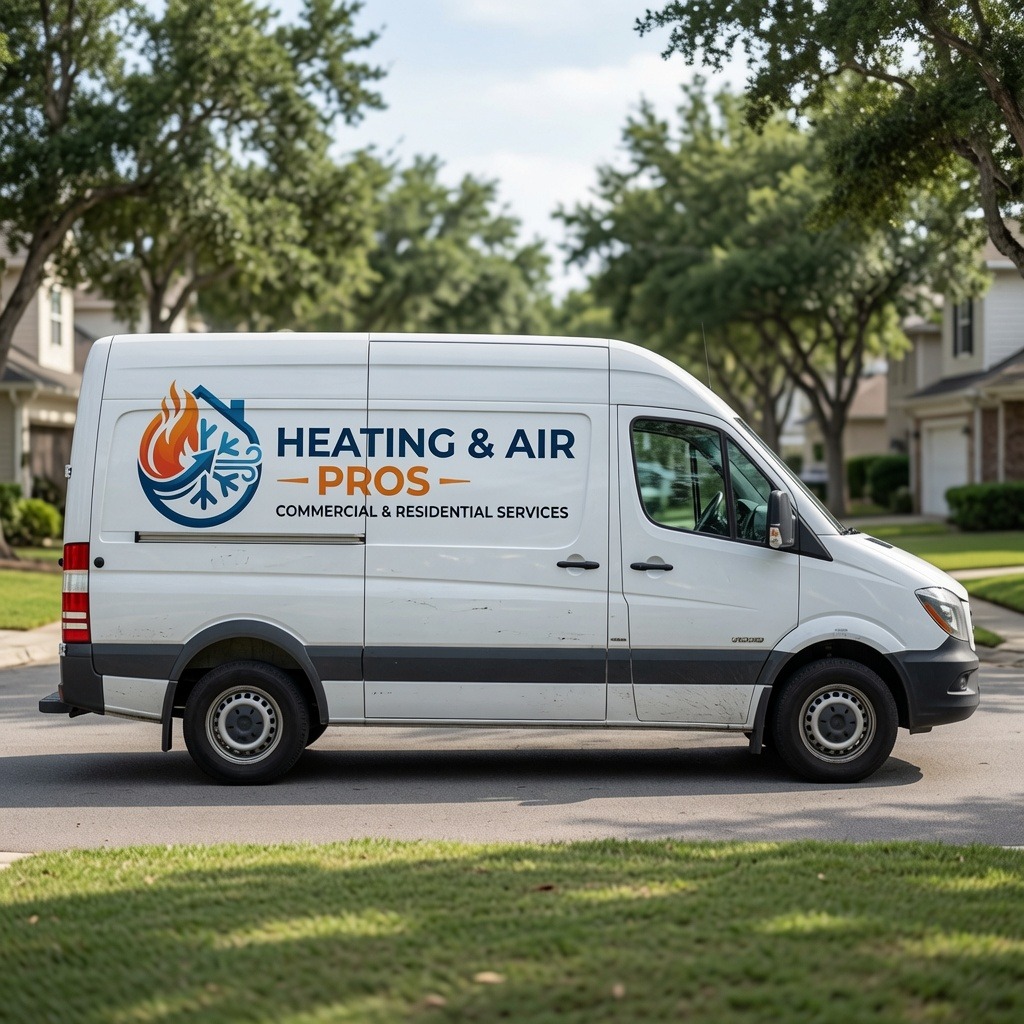
Service Area and Scheduling Questions for Phoenix
What neighborhoods and communities in Phoenix do you serve?
We serve all of Phoenix, including Central Phoenix, Arcadia, Ahwatukee Foothills, North Phoenix, Camelback East, Encanto, Laveen, Maryvale, and all surrounding neighborhoods. We also regularly work in Scottsdale, Tempe, Glendale, Chandler, Mesa, Peoria, and Gilbert throughout the greater Phoenix metro area. If you are not certain whether we cover your specific location, contact us today and we will confirm.
How do I schedule HVAC service in Phoenix with Phoenix Heating and Air Pros?
The easiest way to schedule is to call us directly or use our contact form. Tell us what service you need, your location, and any relevant details about your system or the issue you are experiencing. We will find a time that works for your schedule. For emergency calls, we prioritize based on the urgency of the situation — particularly during peak summer heat when AC failures in Phoenix require fast response.
Do you work on all types and brands of HVAC equipment in Phoenix?
Yes. We service all major residential HVAC brands sold in Phoenix, including Carrier, Trane, Lennox, Rheem, Goodman, York, Daikin, Mitsubishi, LG, Fujitsu, and others. For both forced-air systems and ductless mini splits, we work on all major brands and system configurations found in Phoenix homes. We also service boiler systems and heat pumps throughout the metro area.
How long does a standard HVAC service visit take in Phoenix?
A standard diagnostic and repair visit typically takes two to four hours depending on the nature of the repair. Simple repairs — capacitor replacement, contactor replacement, thermostat replacement — are on the shorter end. More involved diagnostics or refrigerant-side work take longer. Full system installations are typically scheduled as all-day projects. We give you a realistic time expectation when we schedule the visit so you can plan your day accordingly.
Why Phoenix Homeowners Keep Coming Back to Phoenix Heating and Air Pros
We are Phoenix Heating and Air Pros, and the reason Phoenix homeowners call us back season after season comes down to one thing: we do the work right and we treat people the way we would want to be treated. We know Phoenix homes. We know the Central Phoenix neighborhoods with older duct systems and the newer master-planned communities in the East Valley. We know what the summer heat does to capacitors and contactors, and we know what the long idle season does to furnace ignitors and flame sensors. We show up prepared.
We also tell people the truth. If a repair is the right call, we say that. If replacement makes more sense, we explain why specifically — not just to sell a system. If something we noticed during a service call needs attention before it becomes a bigger problem, we mention it without pressure. Phoenix homeowners have enough people trying to sell them something they do not need. We are not that company.
From AC repair and installation across the full Phoenix metro area to furnace service, boiler work, ductless mini splits, and emergency response on the hottest and coldest days the desert produces, we are the local HVAC team that knows this city and takes genuine pride in the work we do here. Every Phoenix homeowner who calls us deserves a team that is as committed to their home’s comfort and safety as they are.
Contact us today — we are ready to help with whatever your Phoenix home needs.
Zip codes we serve: 85003, 85004, 85006, 85007, 85008, 85009, 85012, 85013, 85014, 85015, 85016, 85017, 85018, 85019, 85020, 85021, 85022, 85023, 85024, 85026, 85027, 85028, 85029, 85031, 85032, 85033, 85034, 85035, 85037, 85040, 85041, 85042, 85043, 85044, 85045, 85048, 85050, 85051, 85053, 85054, 85083, 85085, 85086
Heating & Air Conditioning Services
Complete Home Comfort Solutions for Your Property
From heating system repairs to air conditioning maintenance and installations, our team has the tools and expertise to keep your home or business comfortable year-round. We deliver reliable, high-quality HVAC service you can count on.
We Deliver Expert Results
Don’t settle for temporary fixes. We combine years of hands-on experience with modern technology to deliver long-lasting heating and cooling solutions. Our team values your time, your comfort, and your property.
- Heating System Repair & Maintenance
- Furnace Repair & Installation
- Air Conditioning Services
- AC Repair & Tune-Ups
- HVAC Diagnostics & System Checks
- Indoor Comfort Solutions